New Premier League Rules for the 2025/26 Season: A Comprehensive Guide to the Changes Shaping Football

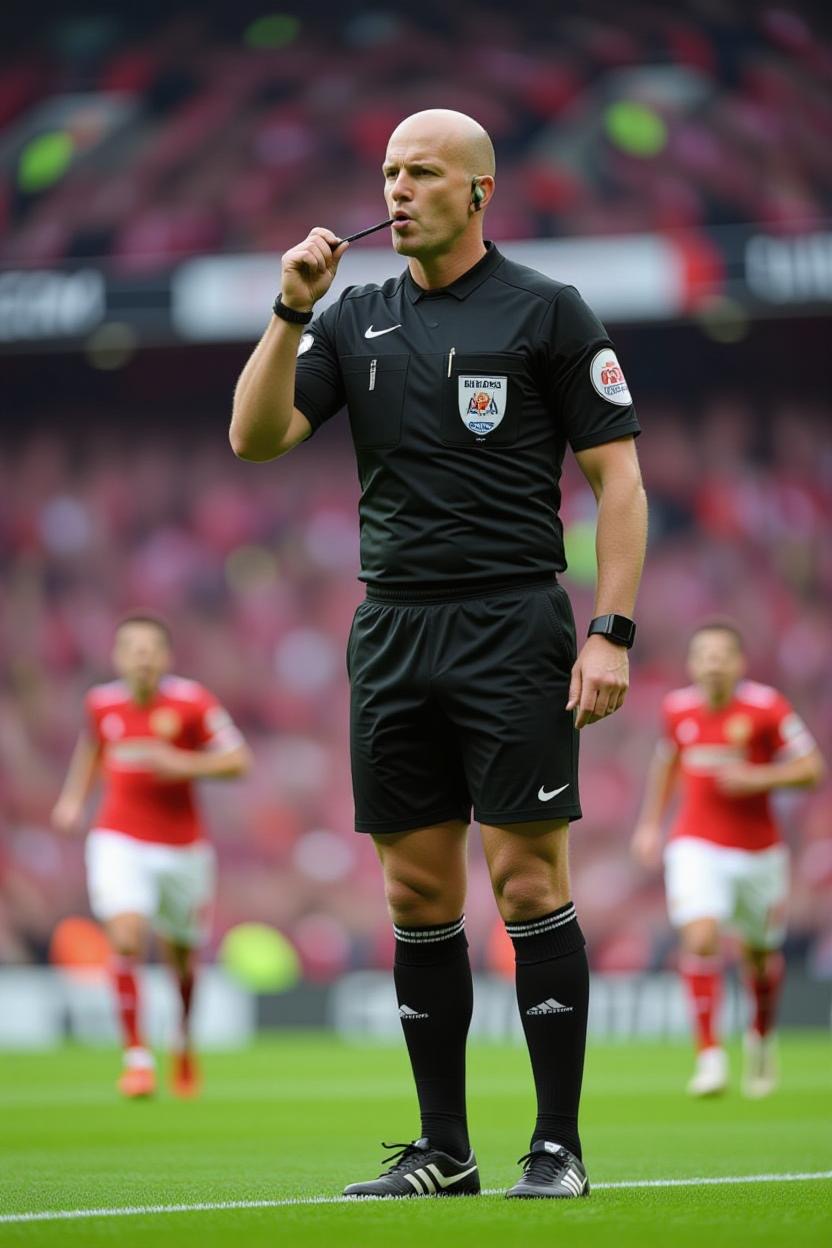
The 2025/26 Premier League season, which kicked off on August 15, 2025, with defending champions Liverpool facing Bournemouth, has ushered in a wave of new rules and regulations designed to modernize the game, enhance transparency, and improve the overall matchday experience for players, referees, and fans alike. These changes, introduced by the International Football Association Board (IFAB) and adopted by the Premier League in consultation with stakeholders, aim to address longstanding issues such as time-wasting, player conduct, and officiating clarity. This blog post provides an in-depth exploration of these new rules, their implications, and how they might reshape the beautiful game in England’s top flight.
1. The Eight-Second Goalkeeper Rule: Cracking Down on Time-Wasting
One of the most talked-about changes for the 2025/26 season is the introduction of the eight-second rule for goalkeepers, replacing the rarely enforced six-second rule. This rule aims to reduce time-wasting, a persistent frustration for fans, particularly when teams are protecting a lead. Under the new regulation:
What’s Changed? Goalkeepers can hold the ball in their hands or arms within their penalty area for a maximum of eight seconds. If they exceed this limit, the opposing team is awarded a corner kick on the side of the field closest to the goalkeeper. Previously, the punishment was an indirect free kick, which was seldom enforced.
How It Works: Referees determine when a goalkeeper has control of the ball (e.g., holding it, bouncing it, throwing it in the air, or holding it against any surface). The referee will visually count down the final five seconds with a raised hand to signal the countdown, ensuring transparency for players and spectators.
Penalties for Repeated Offenses: The first offense results in a corner kick. A second offense prompts a warning from the referee, and a third offense leads to a yellow card for the goalkeeper.
Protection Against Exploitation: If an attacking player pressures or prevents the goalkeeper from releasing the ball during the countdown, an indirect free kick is awarded to the defending team to prevent tactical fouling.
Why It Matters: The eight-second rule is a direct response to the criticism that goalkeepers often waste time to slow the game’s tempo. By replacing the indirect free kick with a corner kick, the punishment feels more impactful, as it directly threatens the defending team’s goal. Trials in competitions like the FIFA Club World Cup and Premier League 2 have shown promising results, with FIFA’s referees’ chief, Pierluigi Collina, noting that it speeds up play without being overly punitive. Fans can expect more urgency from goalkeepers, and home crowds might start their own countdowns to pressure keepers, adding a new dynamic to stadium atmospheres.
Potential Impact: Teams known for strategic time-wasting, such as Arsenal last season, may need to adjust their tactics. The rule could lead to more attacking opportunities via corners, especially in tight matches where every set-piece counts. However, some critics argue that the rule might disrupt the flow of play if referees are overly zealous, and goalkeepers may feel pressured to rush distributions, potentially leading to errors.
2. Captain-Only Communication: Restoring Respect in Referee Interactions
To address the issue of players swarming referees after contentious decisions, the Premier League has adopted a “Captains Only” approach, inspired by UEFA’s successful trials during the 2024 European Championship. This rule formalizes the relationship between referees and team captains, aiming to reduce confrontations and improve on-field discipline.
What’s Changed? When a referee initiates the “Captain Only” protocol, only the team captain (or a nominated outfield player if the captain is a goalkeeper) may approach the referee to discuss key decisions. Other players who approach disrespectfully risk receiving a yellow card.
Implementation Details: Teams with a goalkeeper as captain must inform the referee before the coin toss which outfield player will act as the designated communicator. Normal player-referee interactions are still permitted, but the captain’s role is to manage teammates and prevent mass confrontations.
Context: This rule builds on the Participant Behaviour Charter introduced in 2023, which significantly reduced instances of players surrounding officials last season compared to 2022/23.
Why It Matters: The “Captains Only” rule aims to foster a culture of respect and streamline decision-making. By limiting referee interactions to one player, it reduces the chaos of multiple players arguing, which often delays play and escalates tensions. Trials in UEFA competitions showed that this approach led to quicker, more orderly resolutions, and the Premier League hopes it will reinforce its leadership in promoting positive behavior across the football pyramid.
Potential Impact: Expect captains to take on greater responsibility, acting as mediators between their teammates and officials. This could elevate the importance of leadership qualities in captaincy selections. However, the rule’s success depends on consistent enforcement—refs must be willing to issue yellow cards to non-captains who overstep, which could lead to early-season controversies if players struggle to adapt. Fans may appreciate the cleaner interactions but could also miss the passionate debates that sometimes define high-stakes matches.
3. Double-Touch Penalties: A Fairer Approach to Penalty Kicks
A rare but significant change addresses double-touch penalties, inspired by incidents like Julián Álvarez’s controversial penalty in the Champions League. This rule clarifies what happens when a penalty taker accidentally or deliberately touches the ball twice during a kick.
What’s Changed? If a penalty taker accidentally double-touches the ball (e.g., slipping and striking it again), the penalty will be retaken, regardless of whether the ball went in. If the double touch is deemed deliberate, an indirect free kick is awarded to the defending team.
Context: This rule was notably applied in the Women’s European Championship final, where England’s Beth Mead had to retake a penalty after an accidental double touch, only for her second attempt to be saved. Under previous rules, the first attempt would have been ruled a miss.
Why It Matters: The rule aims to ensure fairness in penalty situations, which are often game-defining moments. By allowing retakes for accidental double touches, it prevents players from being unfairly penalized for slips or mishaps. However, the distinction between accidental and deliberate touches relies on referee judgment, which could spark debates, especially with VAR oversight.
Potential Impact: While this rule may not come into play often, it could be crucial in high-pressure situations like penalty shootouts or late-game spot kicks. Players may need to be more cautious with their technique, and referees will need to be precise in their assessments, potentially increasing VAR’s role in penalty decisions. Fans might see more retaken penalties, adding drama to these moments.
4. Dropped Ball Restarts: Simplifying Stoppages
The rules for dropped ball restarts have been clarified to make restarts fairer and more intuitive, addressing situations where play is stopped unexpectedly.
What’s Changed?
If play is stopped inside the penalty area, the restart is a dropped ball to the goalkeeper.
If play is stopped outside the penalty area, the restart is a dropped ball to the team that would have gained possession or the team that last touched the ball, depending on the context.
Context: Previously, dropped balls often led to confusion, especially when the ball hit the referee or play was halted for other reasons. The new rule prioritizes possession fairness.
Why It Matters: This change reduces ambiguity and ensures restarts reflect the flow of the game. By awarding dropped balls based on likely possession, it minimizes disruptions and maintains competitive balance. The rule also simplifies restarts in the penalty area, giving goalkeepers a clear role in resuming play.
Potential Impact: Fans may notice fewer disputes over dropped balls, as the rule provides clear guidelines. However, determining “likely possession” outside the penalty area could lead to subjective decisions, potentially causing minor controversies. Overall, this tweak should streamline play without significantly altering match dynamics.
5. Inadvertent Interference: A More Lenient Approach
The Premier League has relaxed rules around inadvertent interference by off-field personnel, such as substitutes, coaches, or players temporarily off the pitch (e.g., for injury or equipment adjustments).
What’s Changed? If a team official, substitute, or off-field player touches the ball while it’s in play but clearly leaving the field, an indirect free kick is awarded, but no disciplinary sanction (yellow or red card) is given unless the interference is deliberate and impactful. Deliberate interference results in a direct free kick or penalty kick and a potential red card for managers or staff.
Context: This rule aims to differentiate between accidental and intentional actions, reducing harsh punishments for minor incidents.
Why It Matters: The change promotes fairness by avoiding automatic cards for unintentional actions, such as a substitute accidentally touching a ball rolling out of play. It also ensures that deliberate interference, which could affect the game’s outcome, is punished appropriately.
Potential Impact: This rule is unlikely to be a major talking point but could prevent unnecessary bookings in situations where intent is unclear. Managers and substitutes will need to be cautious, as deliberate interference carries severe consequences, including potential red cards for coaching staff.
6. Assistant Referee Positioning at Penalty Kicks
A subtle but important change affects how assistant referees are positioned during penalty kicks.
What’s Changed? Assistant referees will remain on the touchline, aligned with the penalty mark, rather than moving closer to the goal line. The Video Assistant Referee (VAR) is now solely responsible for monitoring goalkeeper encroachment during penalties.
Context: This adjustment streamlines officiating by leveraging technology to handle encroachment, allowing assistant referees to focus on other aspects of play.
Why It Matters: By assigning encroachment duties to VAR, the rule ensures greater accuracy in detecting violations, as cameras can provide precise angles. It also simplifies the assistant referee’s role, potentially reducing errors in high-pressure moments.
Potential Impact: Fans may notice fewer disputes over goalkeeper encroachment, as VAR’s involvement should lead to consistent rulings. However, this could increase reliance on VAR, potentially lengthening decision times in some cases. The change is likely to be welcomed for its clarity but may not significantly alter the game’s flow.
7. Semi-Automated Offside Technology (SAOT): Faster and More Accurate
The Premier League has fully adopted Semi-Automated Offside Technology (SAOT) for the 2025/26 season, following its successful introduction in Matchweek 32 of the 2024/25 campaign.
What’s Changed? SAOT uses AI-powered tracking and multiple high-speed cameras to create a 3D model of players’ positions in real-time, enabling faster and more accurate offside decisions. It reduces the average time for offside checks by approximately 27 seconds, as seen in last season’s trials.
In-Stadium Communication: For offside decisions, big screens in stadiums will display replays or screenshots to clarify why a goal was disallowed, enhancing transparency for fans. Factual offside/onside decisions (those not requiring subjective judgment) will not be announced over the stadium PA system, but other VAR decisions will be.
Why It Matters: Offside decisions have long been a source of frustration due to lengthy VAR checks and unclear explanations. SAOT addresses these issues by speeding up the process and providing visual clarity for fans in the stadium. The technology’s success in competitions like the UEFA Champions League and FIFA tournaments has paved the way for its adoption in the Premier League.
Potential Impact: Expect fewer delays for offside calls, which should improve the flow of matches and reduce fan frustration. The in-stadium visuals will make the Premier League experience more engaging for supporters, aligning it with other sports like rugby or cricket, where decisions are clearly communicated. However, the technology’s reliance on AI could raise concerns about occasional glitches or misinterpretations, though trials suggest high reliability.
8. VAR Improvements: Transparency and Efficiency
The Premier League continues to refine its Video Assistant Referee (VAR) protocols to enhance transparency and reduce errors.
What’s Changed?
Stadium Announcements: Referees will use the stadium’s public address system to explain VAR decisions (except for factual offside calls), a practice trialed in the FA Cup and EFL Cup. This ensures fans in the stadium understand the rationale behind overturned calls.
Big Screen Replays: All VAR overturns and disallowed goals confirmed by VAR will be shown on stadium big screens with definitive clips or screenshots, clarifying the reason for the decision.
High Threshold for Intervention: The “Referee’s Call” principle, introduced last season, remains in place, meaning VAR only intervenes for clear and obvious errors. This reduced VAR delays from 64 seconds to 39 seconds per match last season, with correct key match incident (KMI) decisions rising to 97% post-VAR intervention.
Context: The Premier League Match Centre account on X will continue to clarify decisions online, and the “Match Officials Mic’d Up” series will provide further insight into officiating.
Why It Matters: These changes address long-standing complaints about VAR’s lack of transparency, particularly for fans in the stadium who often feel left in the dark. By combining SAOT, stadium announcements, and big-screen replays, the Premier League aims to make officiating more accessible and less contentious.
Potential Impact: Fans should feel more included in the decision-making process, reducing the sense of alienation during VAR reviews. The high threshold for intervention ensures referees retain authority, but subjective calls (e.g., handballs or fouls) may still spark debate. The combination of faster offside checks and clearer communication could make VAR less intrusive, though its success depends on consistent application.
9. RefCam: A New Perspective on Officiating
A trial of RefCam—head-mounted cameras worn by referees—introduces an innovative way to enhance the viewing experience and support referee training.
What’s Changed? For the first six weeks of the season, referees will wear cameras in their earpieces to capture their point of view. The footage won’t be shown live during controversial incidents but may be used for goal celebrations, coin tosses, or tunnel interactions in broadcasts. If successful, the trial could become permanent.
Context: FIFA views RefCam as both an entertainment tool and a coaching aid for referees, offering insights into their decision-making environment.
Why It Matters: RefCam provides fans with a unique perspective, bringing them closer to the action and humanizing referees by showing the challenges they face. It also offers broadcasters new content to enhance coverage, potentially capturing iconic moments.
Potential Impact: While not affecting gameplay directly, RefCam could change how fans perceive officiating, fostering greater empathy or scrutiny depending on the footage shown. Its limited use (non-controversial moments) ensures it won’t inflame debates during matches, but fans may demand its expansion if the trial proves popular. The technology could also influence referee training, improving consistency in decision-making.
10. Crackdown on Holding in the Box
The Premier League is taking a stricter stance on holding during set-pieces, particularly in the penalty area during corners and free kicks.
What’s Changed? Referees are instructed to penalize holding that clearly prevents an opponent from moving freely, with an emphasis on immediate action rather than warnings. “Extreme non-footballing actions” (e.g., dragging a player to the ground) will result in penalties, while mutual holding (where both players are grappling) may go unpunished.
Context: Set-pieces have long been a gray area, with shirt-pulling and wrestling often going unpunished unless blatant. This rule aims to clean up these moments and promote fair play.
Why It Matters: Holding in the box has frustrated fans and players, as it often nullifies attacking opportunities without consequence. By cracking down, the Premier League hopes to make set-pieces more dynamic and reward skillful play over physicality.
Potential Impact: Expect more penalties awarded in the opening weeks as referees establish the new standard, which could lead to early controversies if enforcement feels inconsistent. Teams that rely on physical defending at set-pieces may need to adapt, potentially benefiting attacking sides with strong aerial threats. Fans might enjoy more goalmouth action but could grow frustrated if games are disrupted by frequent penalty calls.
11. Simulation and Diving: A Robust Approach
The Premier League is doubling down on its efforts to combat simulation (diving or exaggerating contact to deceive referees).
What’s Changed? Referees are encouraged to issue yellow cards for clear attempts to deceive officials through simulation or overreaction to minimal contact.
Context: Simulation has long been a contentious issue, with fans and analysts criticizing players who exaggerate to win fouls or penalties. The rule reinforces existing guidelines but emphasizes stricter enforcement.
Why It Matters: By targeting simulation, the Premier League aims to uphold fair play and reduce manipulative tactics that undermine the game’s integrity. The rule also protects referees from being misled, ensuring decisions reflect actual events.
Potential Impact: Players known for diving may face increased scrutiny, and yellow cards could accumulate quickly for repeat offenders. This could lead to a cleaner game but might also spark debates over subjective calls, as distinguishing between genuine and exaggerated reactions can be challenging. Fans will likely welcome the crackdown but expect consistency from officials.
12. Head Injury Protocols: Prioritizing Player Welfare
Player safety remains a priority, with updated head injury protocols designed to promote swift medical intervention.
What’s Changed? If a referee suspects a head injury and stops play, they will immediately signal for a doctor or physio to enter the pitch. The affected player must leave the field for a minimum 30-second assessment on the touchline after play resumes.
Context: This builds on existing concussion protocols, ensuring rapid response to potential head injuries while minimizing disruptions to play.
Why It Matters: Head injuries are a serious concern in football, and this rule reinforces the Premier League’s commitment to player welfare. By mandating immediate medical checks, it ensures players receive timely care, potentially preventing long-term health issues.
Potential Impact: The rule should have minimal impact on gameplay but could lead to more stoppages in physical matches. Fans may appreciate the focus on safety, though some might question the 30-second minimum if it delays returns for minor incidents. Teams will need to manage substitutions carefully if players are temporarily removed.
13. Media and Broadcast Innovations
Beyond on-field rules, the Premier League has introduced changes to enhance the broadcast and fan experience, some of which are groundbreaking.
Dressing Room Access: Television cameras can enter dressing rooms at least twice per season, with clubs choosing from four time slots (post-warm-up, pre-match, half-time, or post-match). No audio is recorded, and access is canceled if the home team is losing after the 80th minute.
Half-Time Interviews: Clubs and broadcasters can agree on a player or manager for a half-time interview, with a shortlist of five players provided by the 40th minute. Interviews are limited to three “positive” questions related to the match.
In-Match Interviews: Managers or substituted players can be interviewed before the 85th minute, with a maximum of two questions.
Pitch-Side Cameras: Cameras can now be positioned on the pitch (not just sidelines or behind goals) to capture goal celebrations, aiming to create iconic broadcast moments.
Last Day Broadcast: All 10 final-day matches will be broadcast live in the UK, a first for the Premier League.
Why It Matters: These changes aim to bring fans closer to the action, offering unprecedented access to behind-the-scenes moments and player perspectives. They align with the Premier League’s goal of enhancing engagement and competing with other sports’ media innovations.
Potential Impact: Fans may enjoy the added drama of dressing room footage or mid-match interviews, but some players and managers might resist the intrusion, especially if it distracts from game focus. The final-day broadcast ensures no fan misses crucial moments, particularly in title races or relegation battles. However, the “positive” question restriction for interviews could limit their depth, potentially making them feel scripted.
14. Transfer Window Adjustment
While not a gameplay rule, the Premier League has made a significant change to its summer transfer window for the 2025/26 season.
What’s Changed? The transfer window will close on August 15, before the season starts, rather than two weeks into the campaign (as it did on August 30 in 2024/25).
Context: This aligns the Premier League with other major European leagues and addresses concerns about squad uncertainty in the opening matches.
Why It Matters: Closing the window before the season ensures teams start with finalized squads, reducing disruptions and speculation during early fixtures. It also levels the playing field, as clubs can’t make last-minute signings after assessing early performances.
Potential Impact: Managers will need to finalize squads earlier, potentially leading to more strategic planning in the transfer market. Fans may appreciate the clarity but could miss the drama of late-window deals. Smaller clubs might benefit, as they won’t face mid-season poaching by bigger teams.
15. Gambling Advertisement Ban (Looking Ahead)
While not effective until the 2026/27 season, the Premier League has confirmed a ban on front-of-jersey gambling advertisements, a significant step toward addressing gambling-related concerns in football.
What’s Changed? From the 2026/27 season, gambling logos will no longer appear on the front of Premier League kits, though sleeve and stadium advertising will still be permitted.
Context: This follows growing scrutiny of gambling’s influence in sports, with critics arguing that shirt sponsorships normalize betting among younger fans.
Why It Matters: The ban reflects the Premier League’s response to societal concerns, though some see it as a limited gesture since other forms of gambling advertising remain. It gives clubs time to transition to new sponsors.
Potential Impact: While not affecting 2025/26 gameplay, the announcement signals a shift in the league’s commercial landscape. Clubs with gambling sponsors will need to secure new deals, which could impact finances, especially for smaller teams. Fans may welcome the change but question its scope if gambling ads persist elsewhere.
Wider Context: Premier League Football Principles
Beyond specific rule changes, the Premier League has outlined its Football Principles for 2025/26, which guide officiating and gameplay:
High Threshold for Fouls and Handballs: Referees will maintain a high threshold for penalizing challenges, ensuring not every contact is a foul. This approach prioritizes player safety while allowing physicality, with a similar threshold for handball offenses.
Referee’s Call for VAR: The “Referee’s Call” principle ensures VAR only overturns clear and obvious errors, preserving the on-field referee’s authority.
Reducing Time-Wasting: Beyond the eight-second rule, referees will take stronger measures against other time-wasting tactics, aiming to increase effective playing time (which dropped from 58 minutes 10 seconds in 2023/24 to 56 minutes 58 seconds in 2024/25).
Transparency: The combination of SAOT, stadium announcements, and big-screen replays reflects a commitment to open communication with fans.
These principles aim to balance competitive intensity with fairness, ensuring the Premier League remains a fast-paced, physical, and entertaining competition.
Fan and Team Reactions
The new rules have sparked mixed reactions among fans and stakeholders, as seen in posts on X and media coverage:
Positive Sentiment: Many fans welcome the crackdown on time-wasting and holding, seeing it as a way to promote flowing football and reward attacking play. The SAOT and VAR improvements are broadly supported for their potential to reduce delays and clarify decisions.
Concerns: Some supporters fear an over-officiated start to the season, with excessive penalties for holding or strict enforcement of the eight-second rule disrupting games. Others worry that RefCam and interviews might distract from the sport’s core focus.
Team Adjustments: Clubs like Arsenal, criticized for time-wasting last season, may face challenges adapting to the eight-second rule. Teams with physical defenders will need to rethink set-piece strategies to avoid penalties. Goalkeepers and captains, in particular, will face increased scrutiny.
Conclusion: A Season of Evolution
The 2025/26 Premier League season promises to be a transformative one, with rule changes that touch every aspect of the game—from goalkeeping and set-pieces to officiating and fan engagement. The eight-second rule, captain-only communication, and SAOT reflect a commitment to reducing time-wasting, improving discipline, and enhancing transparency. Meanwhile, innovations like RefCam and broadcast access aim to bring fans closer to the action, while the transfer window change and future gambling ad ban signal broader shifts in the league’s operations.
While some rules, like the double-touch penalty and dropped ball clarifications, may have limited impact, others—such as the holding crackdown and goalkeeper time limit—could reshape match dynamics significantly. The success of these changes will depend on consistent enforcement by referees and the willingness of players and managers to adapt. Fans can expect an exciting, if occasionally contentious, start to the season as these rules are tested under the Premier League’s intense spotlight.
As the campaign unfolds, keep an eye on how these changes affect your team’s tactics, the flow of matches, and the overall spectacle of the Premier League. Whether you’re cheering from the stands or watching at home, the 2025/26 season is set to offer a fresh perspective on the world’s most-watched football league.
Sources:
Premier League Official Website
Sports Illustrated
Chelsea FC Online
beIN SPORTS
GiveMeSport
The UK Rules
Joburg ETC
The Sunday Times
Posts on X
Timestamp: August 15, 2025, 11:36 AM BST