Michael Sansoni: The Data Visionary Transforming Manchester United’s Transfer Strategy

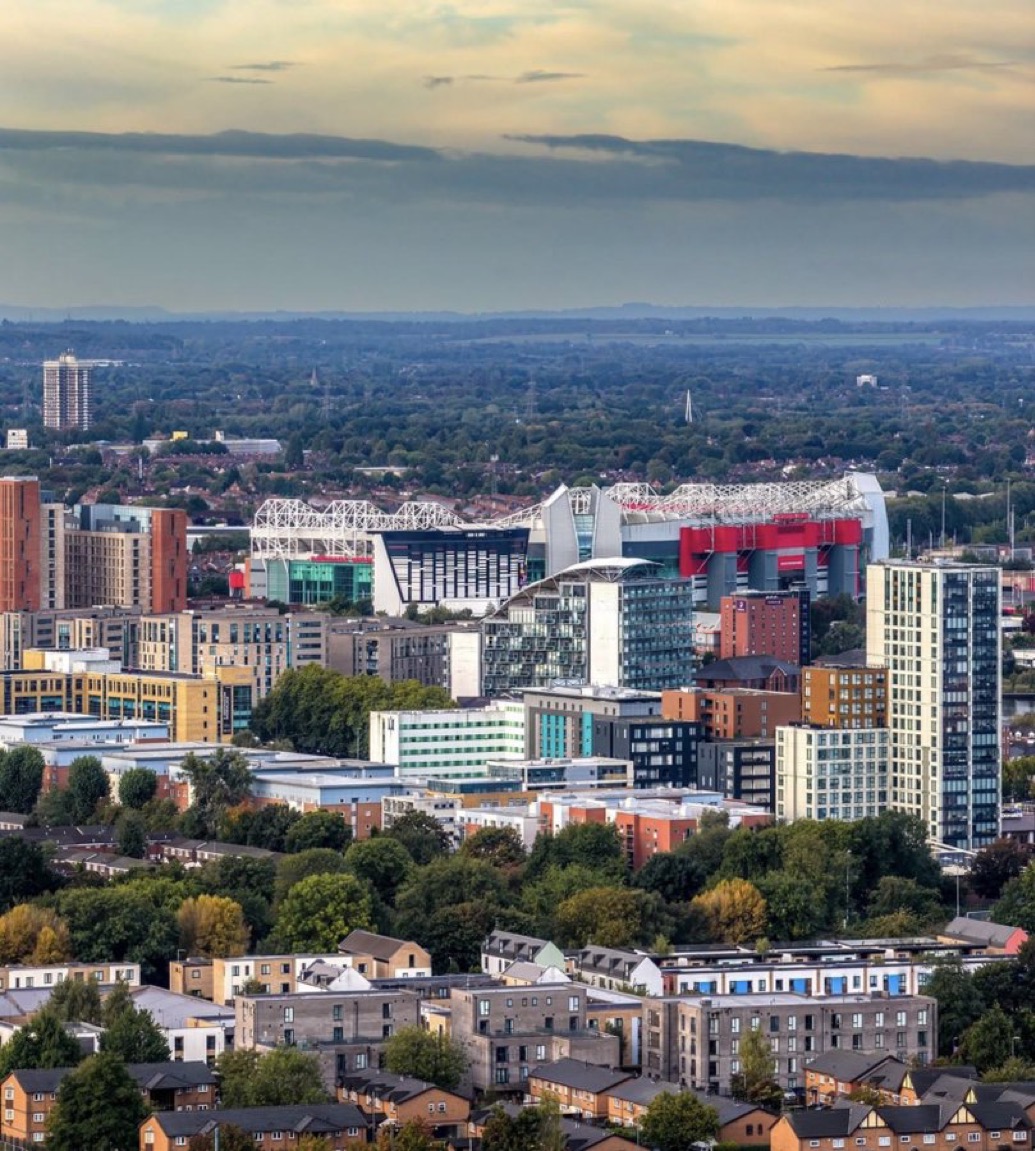
In the high-stakes world of Premier League football, where multi-million-pound transfer decisions can make or break a season, one name has quietly emerged as a pivotal figure behind Manchester United’s evolving approach: Michael (Mike) Sansoni. Officially the club’s Director of Data and AI, Sansoni is far more than a traditional “transfer data analyst.” He is leading a comprehensive overhaul of how the Red Devils use data and artificial intelligence across recruitment, performance, and the wider club.
From Formula 1 Precision to Football’s Theatre of Dreams
Sansoni’s path to Old Trafford is unconventional and impressive. A University of Southampton graduate with a first-class degree in Aerospace, Aeronautical and Astronautical Engineering (specialising in advanced aerodynamics), he earned the Dean’s Award for academic excellence. He joined the Mercedes-AMG Petronas Formula One team in 2014 on an industrial placement and stayed for 11 years.
Rising to Senior Performance Engineer (and earlier Performance Simulation Engineer, including trackside roles), he contributed to eight world championship-winning seasons. He worked closely with Lewis Hamilton during the team’s dominant hybrid era, analysing vast streams of telemetry data—often 1.5 to 3 terabytes per race weekend—to optimise car performance in fractions of a second.
When Sir Jim Ratcliffe’s INEOS group took a stake in Manchester United, they identified the club’s data capabilities as lagging (“last century,” in Ratcliffe’s words). Drawing on their own Mercedes F1 links, they targeted Sansoni. He joined United in April 2025 (publicly announced that July) as Director of Data, reporting directly to CEO Omar Berrada. His brief: transform the club into a truly data-led organisation, embedding predictive analytics and AI-driven decision-making across football operations, commercial activities, and beyond.
Building a Modern Data and AI Function
Sansoni did not start from zero—United already had an analytics team—but the ambition was clear. He is responsible for building out in-house capabilities in data engineering, science, analytics, software engineering, and AI. Focus areas include advanced statistical methods, Bayesian inference, delivering insights at pace, modernising the technology stack, and integrating enterprise-wide AI.
The department has expanded under his leadership, with recruitment for senior football data engineers, data scientists, and software engineers. Club statements emphasise work on APIs, machine learning, streaming data pipelines, web tools, and platforms that support better decisions both on and off the pitch. Sources have described United’s data operation as having accelerated to rank among the top four in the Premier League.
Early Impact on Transfers
Sansoni’s influence appeared quickly in the summer 2025 transfer window. He has publicly noted that new methodologies were taking shape and that signings such as Matheus Cunha and Bryan Mbeumo reflected some of that early work. Chief executive Omar Berrada has name-checked Sansoni and his team when discussing recruitment discipline and decision quality, underscoring their growing role in strategy.
Data now informs not only player identification and valuation but also performance analysis, training, and longer-term squad planning. The approach prioritises value, long-term thinking, and resisting market pressures from agents—hallmarks of the more measured spending seen in recent windows.
Industry Recognition
On 7 August 2026, Sansoni received further validation when he was named to the Leaders in Sport Under 40 Class of 2026. The list recognises leaders who push boundaries and reshape their industry. In response, he thanked the organisation and credited his Manchester United Data & AI team for turning ambitious ideas into practical results.
Looking Ahead
Sansoni has described his dual career as two dream jobs: “After a phenomenal time in Formula One, it’s a privilege to now be part of the biggest club in world football.” He has spoken of inheriting a “brilliant team” that is “smart, committed, and hungry to make a difference,” while emphasising that the work is only beginning.
In an era when elite football clubs increasingly resemble high-performance technology organisations, Michael Sansoni represents the bridge between the precision of Formula 1 and the beautiful game. Whether guiding transfer decisions or powering broader operational intelligence, his work is helping Manchester United close the data gap and pursue smarter, more sustainable success. For a club with global ambitions, the quiet architect of its data revolution may prove as important as any star signing.